
No, it’s an edited shitpost of the neo-Nazi’s comic. He did not coin the term.
TheTechnician27
- 41 Posts
- 417 Comments
Joined 2 months ago
Cake day: July 25th, 2024
You are not logged in. If you use a Fediverse account that is able to follow users, you can follow this user.
Hi there. Things escalated really out of control due to a rogue mod, but the situation has since been resolved, and things should be back to normal.
Private communities don’t exist; you can only create an instance and defederate from everyone else. VeganTheoryClub is an instance which defederated from Lemmy.World, for example.
I’m not sure if you saw the recent community update, but things have died down at /c/vegan. Up to you, but posts will probably be leaning more informative and less antagonistic now that the situation has been resolved.
Incidentally, vegan Spam does exist both in the official Spam brand and in another brand called unMeat. As someone who really doesn’t like Spam, though, I’m unqualified to judge it.
Sorry, this whole thing was a guerilla marketing campaign for legumes all along.
 3·23 hours ago
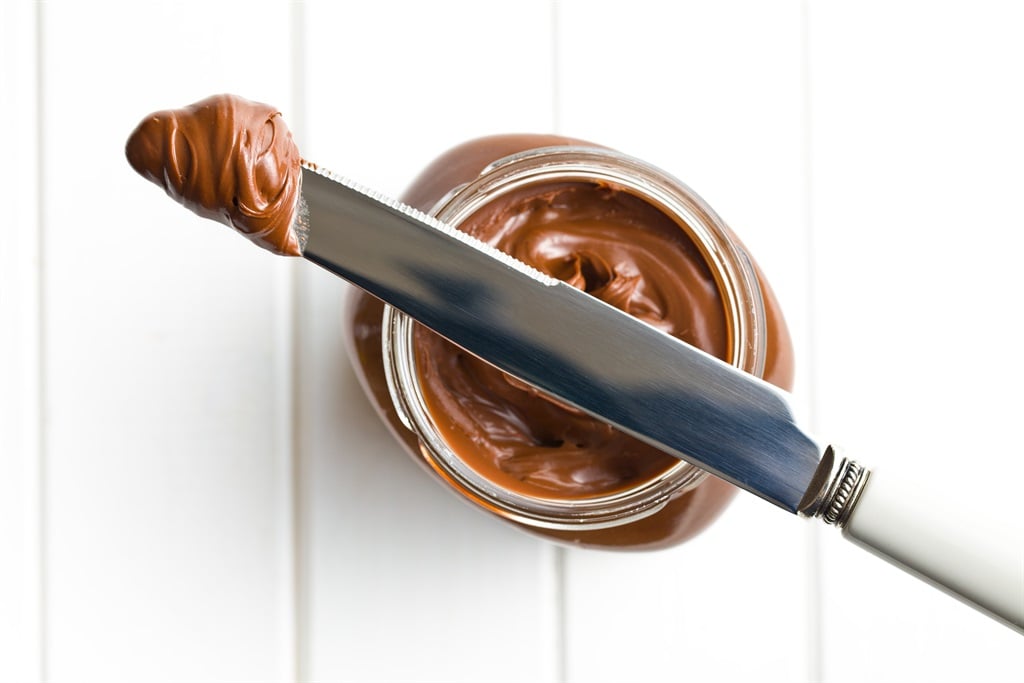
Hey, though, you’re the first person in this thread to actually mention by name a vegan Nutella alternative that doesn’t use palm oil, so you win first prize. 🏆🥳
the V-word is just off-putting to quite a few omnivores.
The discussion was about the ingredients being too exotic, not the labeling, but regarding the labeling, I don’t understand how a vegan product marketed toward vegans by indicating it’s vegan is a bad decision. Nocciolata puts up the label “vegan” too (it’s also palm oil-free, which is cool). Again, I’m sure Ferrero understands what their target audience is for this and have accounted for the extremely-close-minded-omni demographic.
This entire comment confuses me.
Here in Germany, chickpea is relatively exotic
I can’t speak to Germany, but at least where I am, chickpeas really aren’t exotic, even to people who really don’t know much of anything about other cultures. (Also, this won’t be in the German market yet; closest is the Belgian one.)
I’ve never seen rice syrup as an ingredient in anything that wasn’t specifically made for vegans.
I’ve never heard of this stereotype of rice syrup being especially prevalent in vegan products. I see rice syrup as a bit exotic, but not in a way that anyone who isn’t vegan but would be willing to buy vegan Nutella would think “well that’s just too out there for me. Syrup? Gross.”
It feels like they created a product specifically for the vegan market
That does seem to be the point of them removing dairy, yes.
which means they’re alienating parts of the non-vegan market
?_? How would this be alienating to someone who’s not vegan would otherwise try it as a vegan alternative? Like say what you want about enormous corporations like Ferrero, but I’m at least reasonably confident they did some market testing for this. The problem this comment is addressing feels extremely manufactured. If it doesn’t appeal to you, that’s one thing, but it feels like you’re overgeneralizing your own niche experience onto everyone else.
Wait, was there ever any doubt that Nutella is diabetes and CVD in a jar?
Edit: Apparently Ferrero marketed it as healthy if a comment below is to be believed. What the fuuuuuuck.
Nah, she made a really deep cut.
As someone out-of-the-loop here, do tell. I was hoping they might be out there, and I might give them a shot if they’re vegan.
Edit: found one thanks to JubilantJaguar below.
It’s sweet but not overly sweet and very rich. It’s like if you took fudge, made it creamier, and spread it on something. It’s been quite a few years since I’ve had it. Because it’s one of those foods that, like bacon, everyone seems to treat as literal perfection as almost a meme, I’m sure it has an air of intrigue to it. Like bacon, I feel, it’s pretty good but unexceptional.
 442·1 day ago
The judge sentenced him to 33 1/3 years. In Minnesota, defendants typically serve two-thirds of their sentence in prison and the rest on supervised release.
Castillo had eight prior felony convictions, including second-degree assault for beating another woman with a hammer in 2014. At the time of the knife attack, Castillo was on intensive supervised release and had a warrant out for his arrest after he failed to show up at a court hearing on charges that he assaulted two correctional officers at the Stillwater state prison in 2020.
Fingers crossed this worthless piece of shit dies in prison, but it doesn’t seem likely if he’ll only serve about 22 years. I’m usually pretty heavy on rehabilitation, but this one seems too far-gone. Hopefully they can at least get him a ton of psychiatric help and counseling before he’s released on the slim chance he can change.
 27·1 day ago
And if you haven’t used it in a while, we recently made a blog post giving a rundown of the changes leading up to our most recent major release.
“Charitably”, I assume because they’re massive racists that they’re referring to the West and Central African origins of Haitians as an ethnic group and not confusing where Haiti is, but Nazis still deserve to be jailed over their disgusting ideology regardless of if they know what continent Haiti is on.
 311·1 day ago
Robot clearly never watched the ending of Fallout 3 about letting the humans do it instead.
 39·1 day ago
That’s neat. Until a representation of something on a blockchain has any legal meaning regarding authenticity, ownership, or anything else, and until the overwhelming majority usage of NFTs isn’t as a scam, NFTs remain a pathetic and comically stupid class of speculative asset constituting a pyramid scheme that also happens to destroy the environment.
Whether something is open-source or not is dependent on what license if any its creator chooses to put it under. a) This comment confuses me more than anything, and b) if you want to make a better Flappy Bird game, you’ll probably have a better shot forking one of the existing clones than waiting for whatever steaming, uninspired pile of shit comes out of Belfort’s wallet.











V